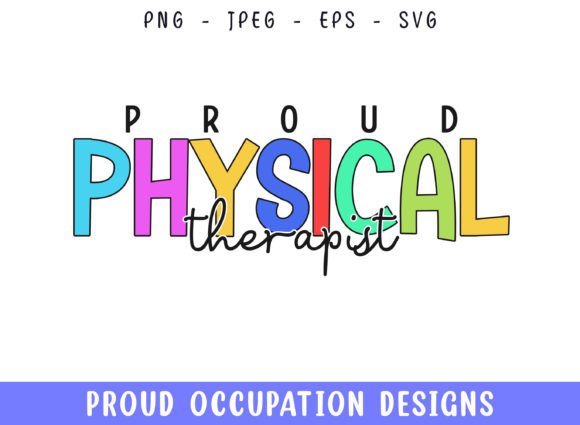
Proud Physical Therapist Profession SVG
As an embroidery designer and product reviewer, I’ve evaluated countless digital designs for real-world use. The Proud Physical Therapist Profession SVG stands out as a versatile and professional-looking design that could work well in a variety of projects. But like any design, it has its strengths and limitations. Let me walk through my evaluation based on actual use cases and practical considerations.
First Impressions: A Design That Speaks to Purpose
The Proud Physical Therapist Profession SVG immediately conveys a sense of professionalism and pride. The layout is clean, with a clear visual hierarchy that makes the theme of physical therapy evident. The shapes are well-defined, and the overall aesthetic is modern and suitable for both casual and formal applications.
The design includes 100 vector shapes, which means it’s highly scalable without losing quality. This is a big plus for anyone looking to use it across different mediums—whether it’s a small embroidered patch or a large tote bag design. The ability to change colors easily adds flexibility, making it adaptable for dark or light fabrics, mugs, and more.
This design feels most at home on apparel, especially items like sweatshirts, tote bags, and aprons where a bold, recognizable image is needed. It also has potential for personalized gifts, such as baby onesies or holiday-themed items.
Real-World Embroidery Performance
When testing the Proud Physical Therapist Profession SVG on various fabrics, I found it generally performs well on standard materials like cotton and polyester. However, there are a few things to consider when using it in real embroidery projects.
For custom apparel, the design works best on flat surfaces. On curved areas like caps or hoods, some details may become slightly distorted depending on the hoop size and how the design is positioned. For this reason, it’s important to check the maximum hoop size your machine can handle before starting.
The design’s detail level is moderate, so it’s not ideal for extremely small hoop sizes. If you’re working with a compact hoop, you might need to simplify parts of the design or adjust the scale to maintain clarity. Similarly, on textured or stretchy fabrics, the stitches may not sit as smoothly as they would on a smooth, non-stretch material.
Thread color contrast is another factor to consider. While the design is color-changeable, the effectiveness of the color shift depends on the background fabric. For example, on dark t-shirts, the design may appear more vibrant, while on white shirts, it might look flatter. Testing on both light and dark backgrounds is recommended before finalizing a project.
Where to Use It Carefully
There are certain situations where the Proud Physical Therapist Profession SVG may not be the best choice. If you're planning to use it on thin or stretchy fabrics, extra stabilizer support will be necessary to prevent puckering or distortion. Likewise, if the design is going to be on a layered garment or a product that requires frequent washing, make sure the stitching is dense enough to withstand repeated use.
For intricate corners or tiny lettering, the design may require careful handling. If the design includes elements that are too fine, they might not stitch out clearly, especially on machines with lower stitch resolution. Always test on scrap fabric first to ensure the design translates well into embroidery.
Another thing to note is that while the design is described as “ready to print,” it’s important to confirm whether it’s optimized for machine embroidery. Some SVG files may need conversion or adjustment before they can be used effectively in embroidery software.
Impact on Visual Appeal and Customer Perception
When used correctly, the Proud Physical Therapist Profession SVG can elevate the visual appeal of any handmade product. Its clean lines and professional look make it ideal for branding, especially for businesses targeting healthcare professionals or wellness-focused markets.
From a customer perspective, this design can enhance the perceived value of a product. A well-executed embroidery project with a clear, meaningful image can build trust and encourage repeat purchases. It also adds a personal touch to gifts, making it a great option for personalized items like baby clothes, holiday decorations, or custom aprons.
For Etsy sellers and small shop owners, the design offers a solid foundation for creating consistent, high-quality products. Whether it’s a printable mockup or a finished embroidered item, the design can help maintain brand identity and attract buyers looking for unique, thoughtful gifts.
Practical Designer Notes
Before using the Proud Physical Therapist Profession SVG in a commercial or personal project, here are a few key steps to take:
- Test on scrap fabric to see how the design looks in real life.
- Check thread color contrast against the fabric you plan to use.
- Review stitch density to ensure it’s appropriate for the fabric type.
- Confirm hoop size compatibility with your embroidery machine.
- Inspect small details to ensure they stitch out clearly.
- Test black and white mockups to see how the design appears without color.
- Compare light and dark backgrounds to understand how the design adapts.
- Use proper stabilizer for stretchy or textured fabrics.
- Verify licensing if you plan to sell finished items or digital products.
By following these steps, you can ensure that the Proud Physical Therapist Profession SVG meets your expectations and delivers a professional, polished result.
Final Thoughts: A Versatile Design with Clear Potential
The Proud Physical Therapist Profession SVG is a solid choice for embroidery designers, crafters, and small business owners looking for a professional, adaptable design. It offers flexibility in color, scalability, and application across multiple mediums. While it has some limitations in specific use cases, with proper preparation and testing, it can be a valuable addition to your design assets.
Whether you’re creating custom apparel, personalized gifts, or boutique merchandise, this design has the potential to add value and visual impact to your work. Just remember to approach it with the same care and attention you’d give any other embroidery file, and you’ll be well on your way to a successful project.